Distribution of the species
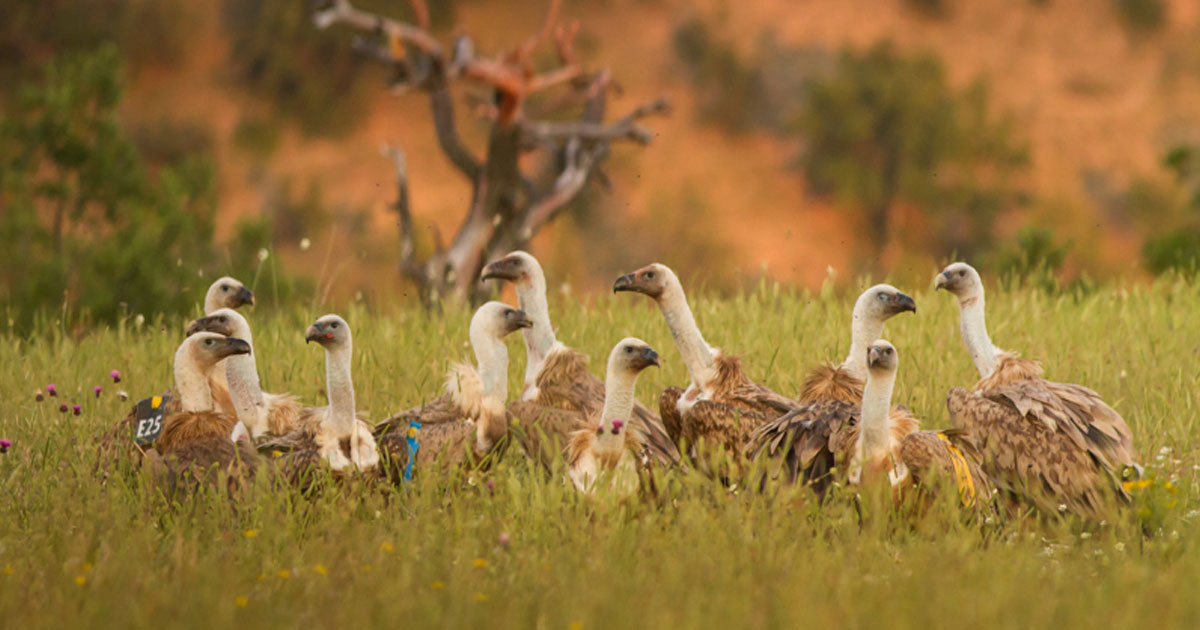
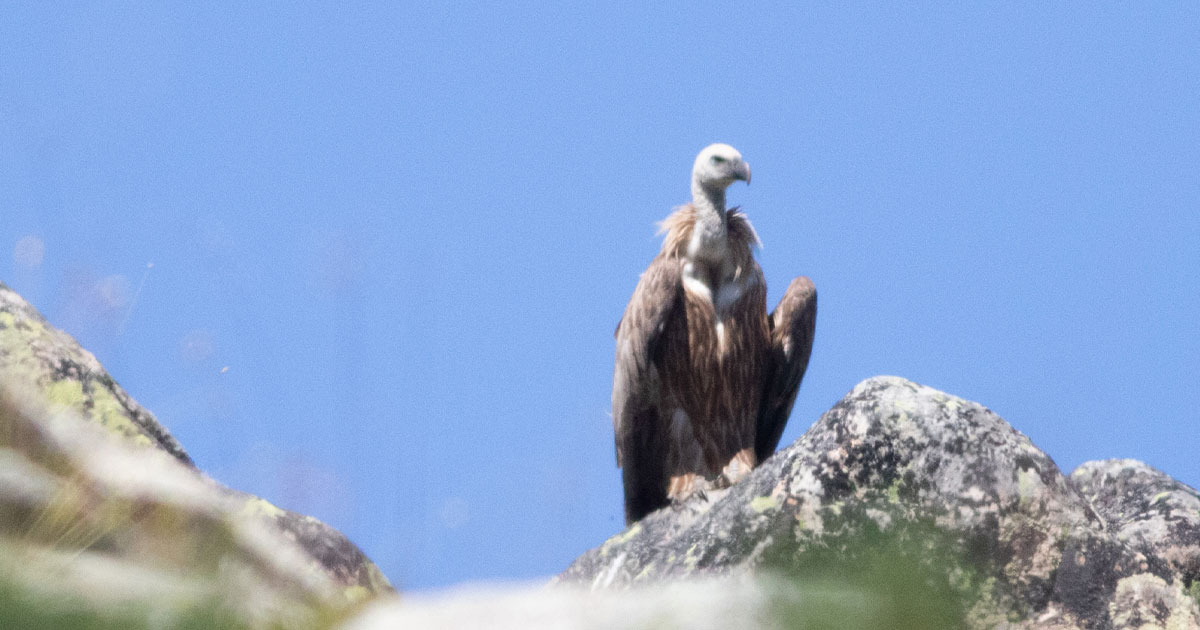
The Griffon Vulture (Gyps fulvus) one of the largest birds on our continent was once widespread all over Europe. But sadly now it has become extinct in most of its European breeding range with Spain being the only country left with a sizeable and healthy population. The situation is no different on the Balkans where only a handful of small isolated colonies remain including the single Bulgarian colony located in the Eastern Rodopi Mountains near Madjaravo.
The role of environmental organizations
Fortunately the number of vultures in a few Balkan colonies (Eastern Rodopi Mountain in Bulgaria and Greece, Uvac Cliffs in Serbia, Croatian islands and Crete in Greece) are rising due to very strong conservation measures being applied. Meanwhile, the very numerous Griffon Vulture colonies in Macedonia and Greece in the late 20 Century have suffered fast decline and extinction for only two decades.
Balkan Vulture Action Plan
With the large historical declines throughout Europe, including the Balkans several organisations joined together to form the Balkan Vulture Action Plan (BVAP). The aim of the action plan is to co-ordinate the efforts of the various conservation groups in the Balkans and to restore the populations of all four European vulture species on the Balkans. A key component of the action plan is the re-introduction of vultures in several areas where they formerly bred but are unlikely to colonise in the near future due to their critically low population levels. The aim is to re-introduce the species in several different locations to form a Meta-population all over the Balkans.
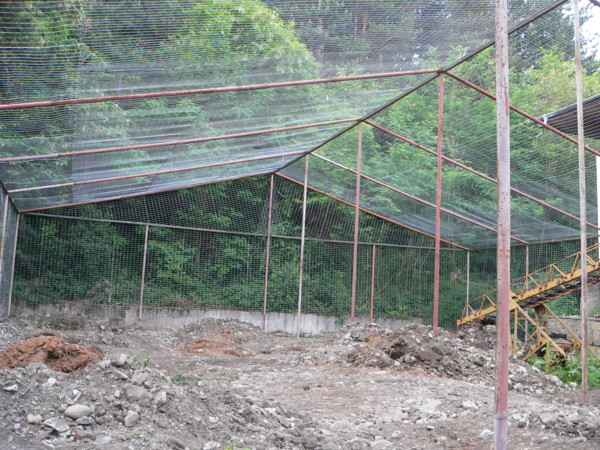
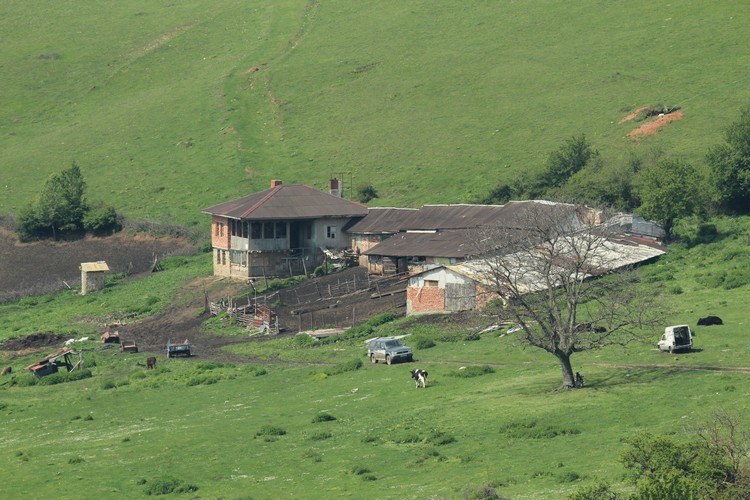
The Eastern Balkan Mountains near Kotel was an ideal place for the re-introduction of Griffon Vultures.
The species became extinct here at the end of the 1960′s because of the mass use of Strychnine poison for predator control, which caused secondary poisoning of the vultures feeding on the poison baits. Thankfully the law now forbids this practice and gives full protection to the vultures and their breeding sites. Cutting the reasons for vultures decline as well as the suitable breeding and foraging habitats is what makes Kotel Mountain such a good site for re-introduction.
In 2001 to 2003, hundreds of letters were sent to European zoos and wildlife sanctuaries in searching for available birds for the first vulture reintroduction project in Bulgaria. FWFF team made the best to prove internationally the suitability of the region and to attract European best vulture specialists to support the reintroduction.
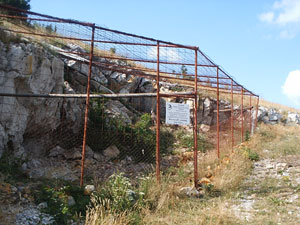
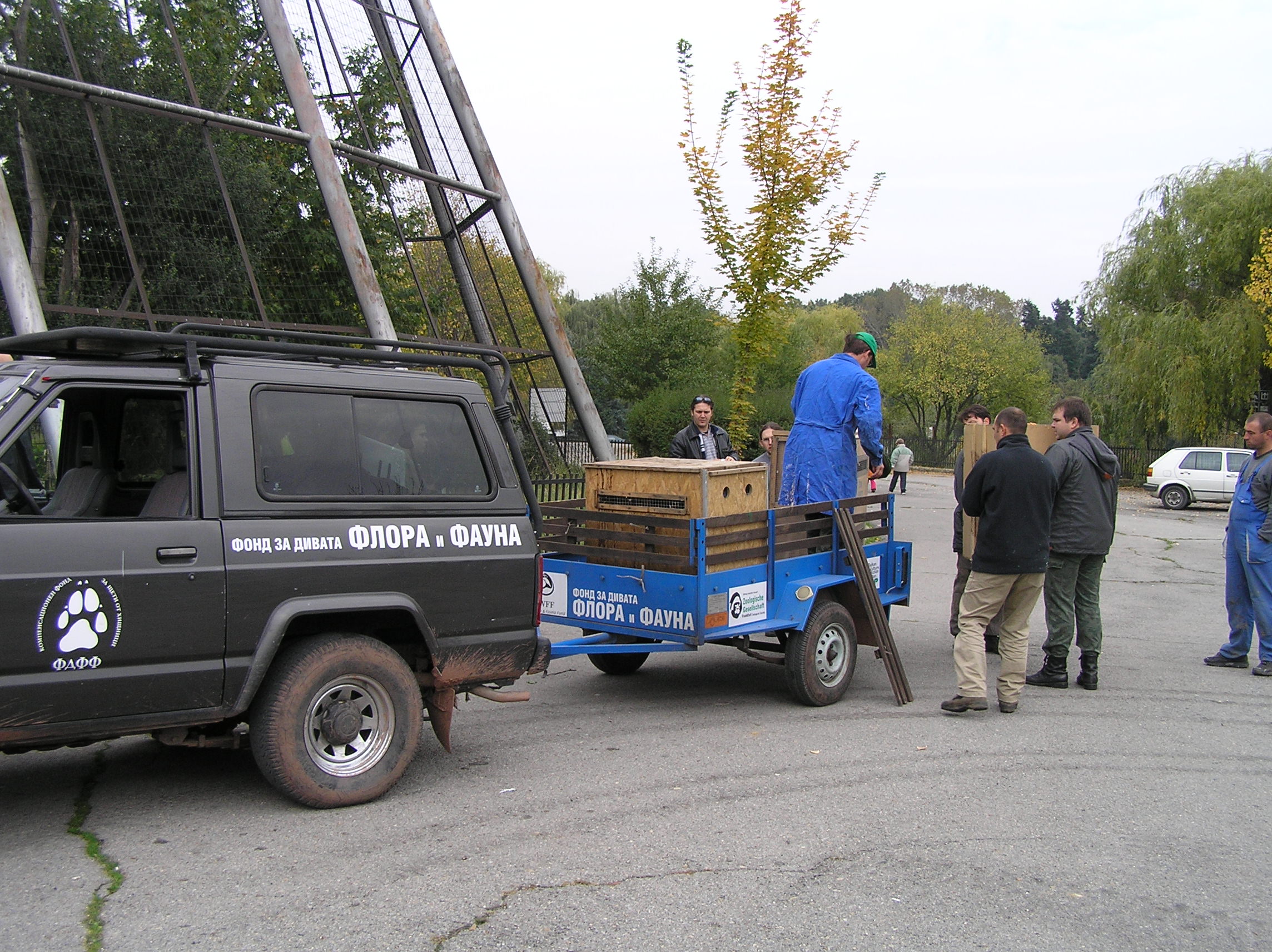
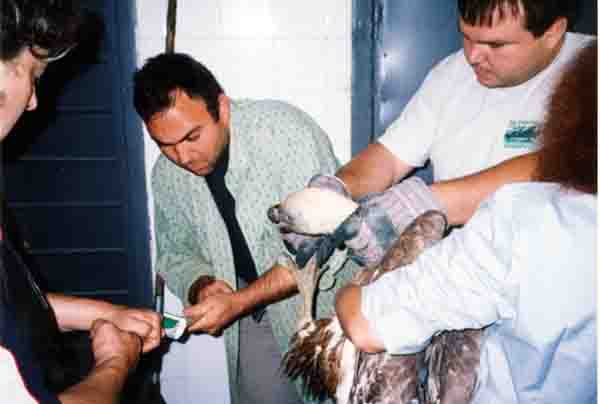
First vulture aviary was set in the back yard of the Nature Museum of the village of Kotel in 2003. And the first birds were sent from Spain, France and Israel. But the pioneer donors who believed the idea were BIOPARK- Zoo De Doue La Fontaine, Friends of Vienna Zoo and Cottonwood Foundation.
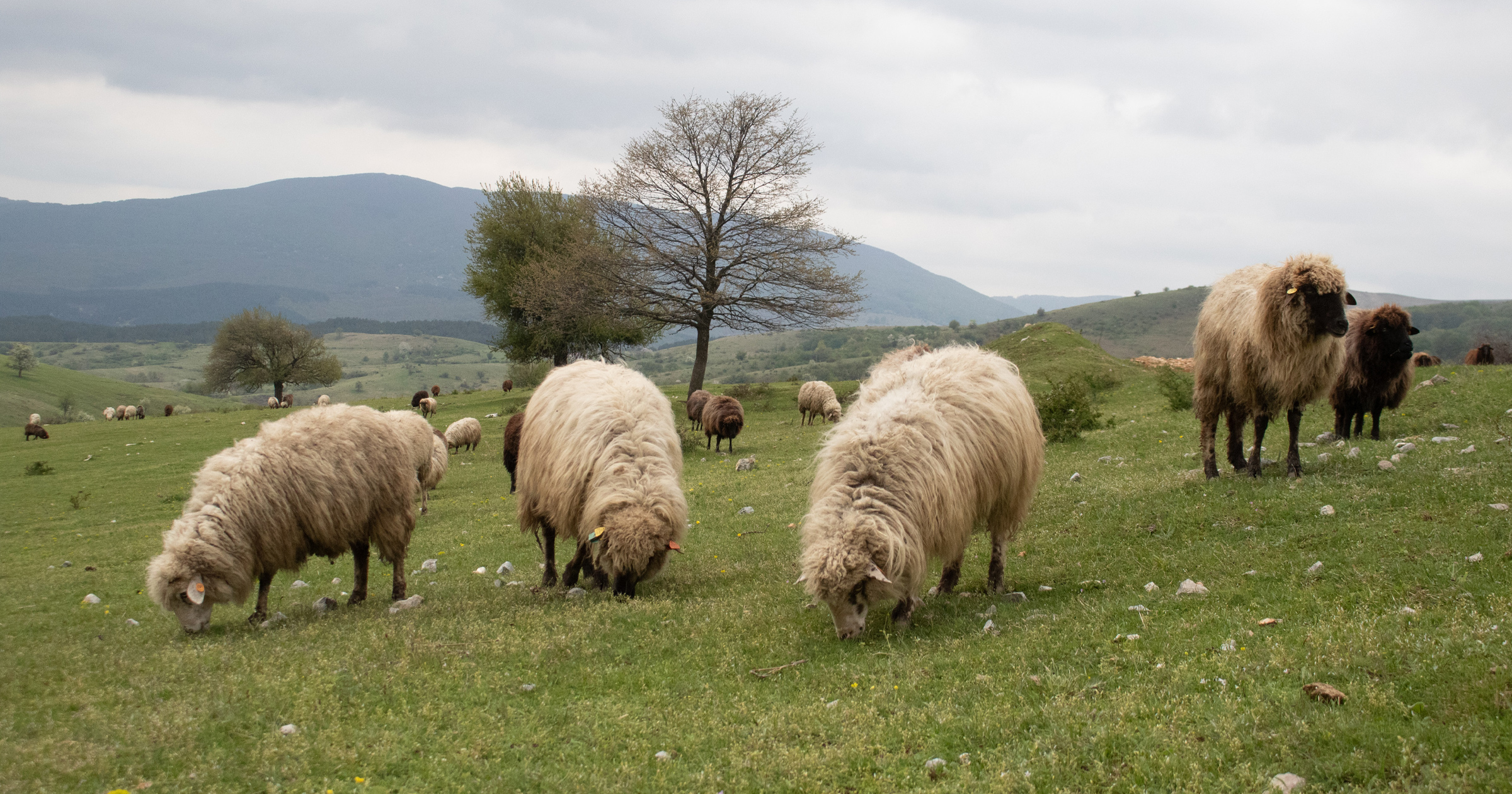
Meanwhile the region was “under repair” by FWFF team for a couple of years to answer the needs of the birds’ releasing in the wild. We started an eco farm which practices traditional shepherding techniques in the area to help restore the natural pastoral habitats and to provide a better food source for the vultures. We also carried out some low level education work and addressed the issues of local stakeholders so that local people are now generally in favour of the re-introduction.
In March 2006 BVAP’s re-introduction committee, which consists of experts from all over Europe, visited Kotel and recommended that re-introduction begin immediately. This meant Kotel Mountain to be the first place in the Balkans where an extinct vulture species will be restored.
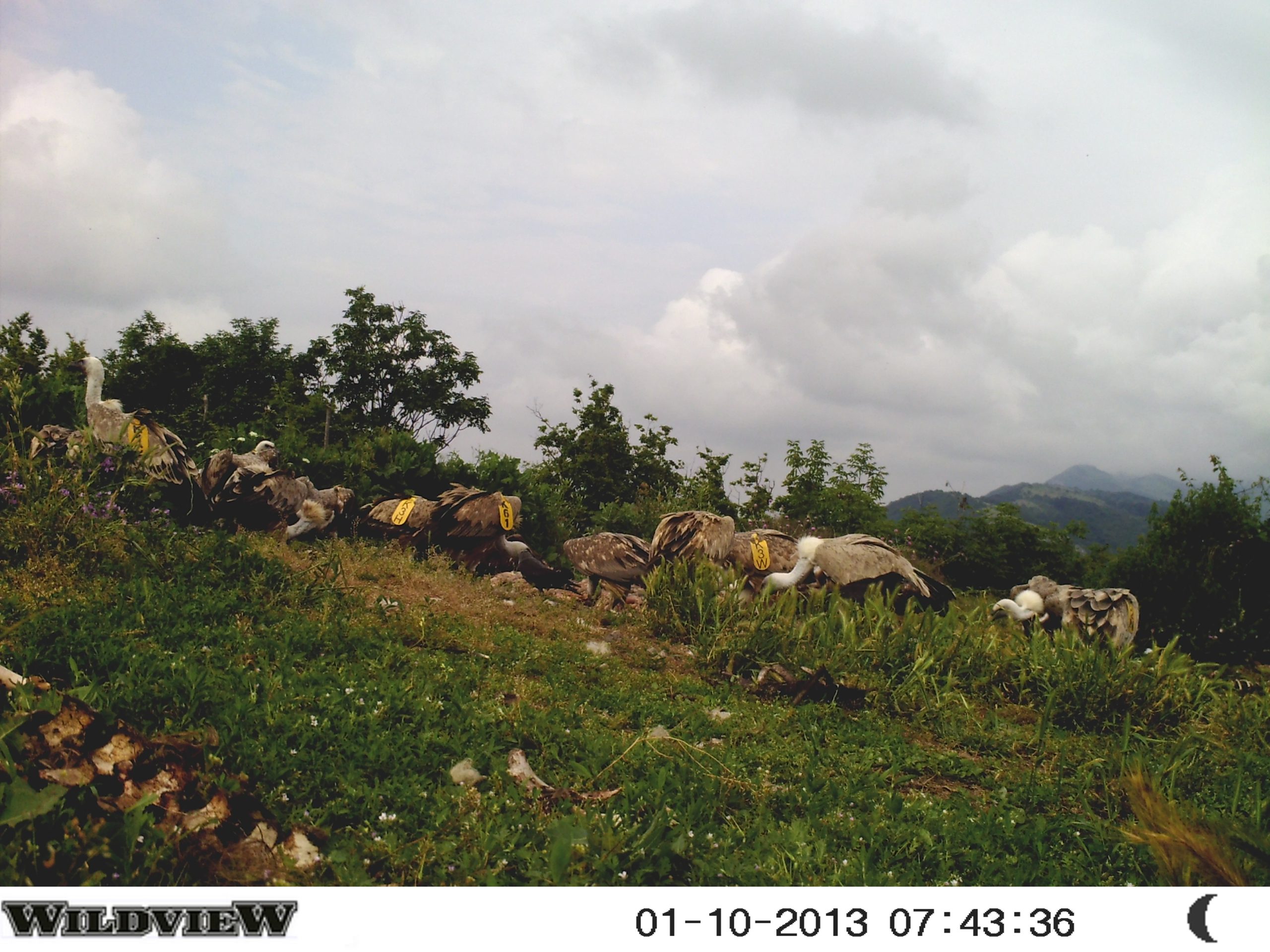
The first 3 birds were released on the 28/08/2007 as part of an experimental release. Twelve more were released up to 2010.
A project under the LIFE+ Program
In 2010, FWFF and Green Balkans have started a joint project supported by LIFE+ Program and DBU for reintroduction of Griffon Vulture in the Balkan Mountain named “Return the Vultures”.
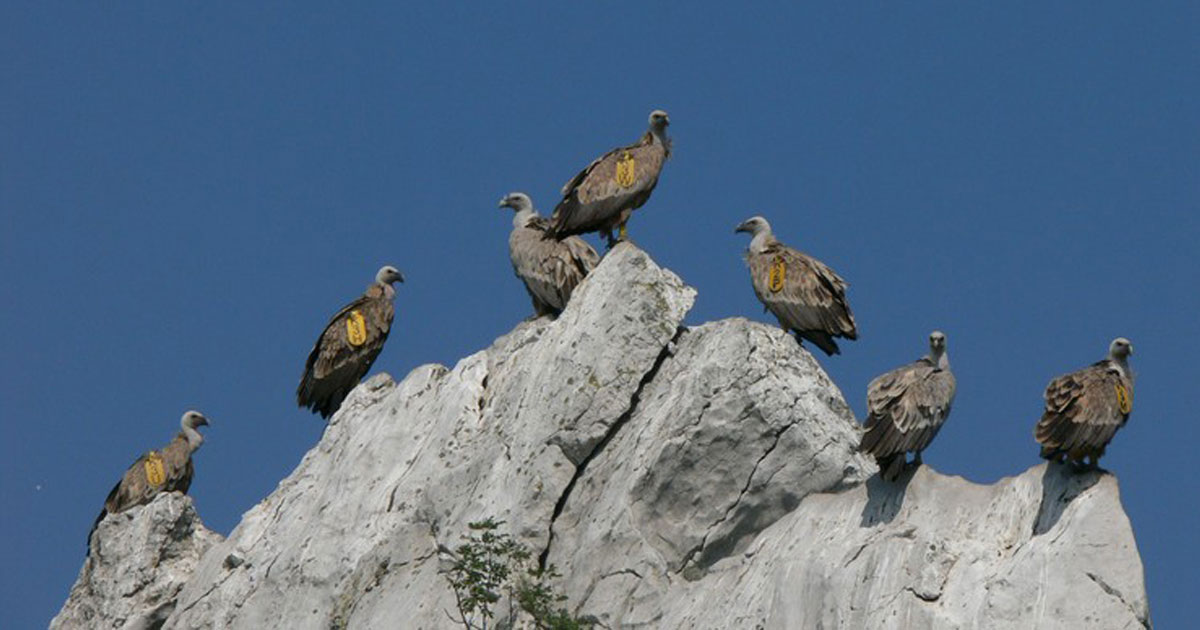
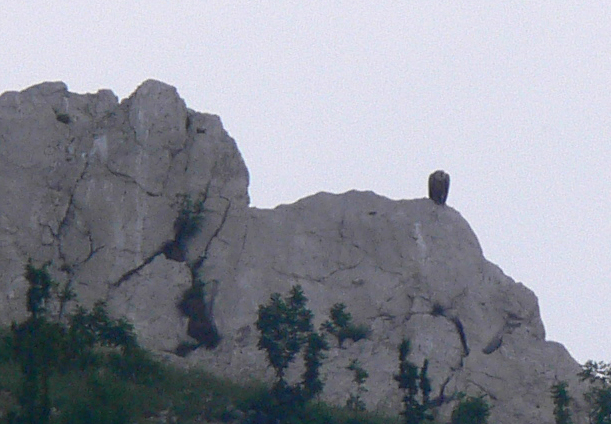
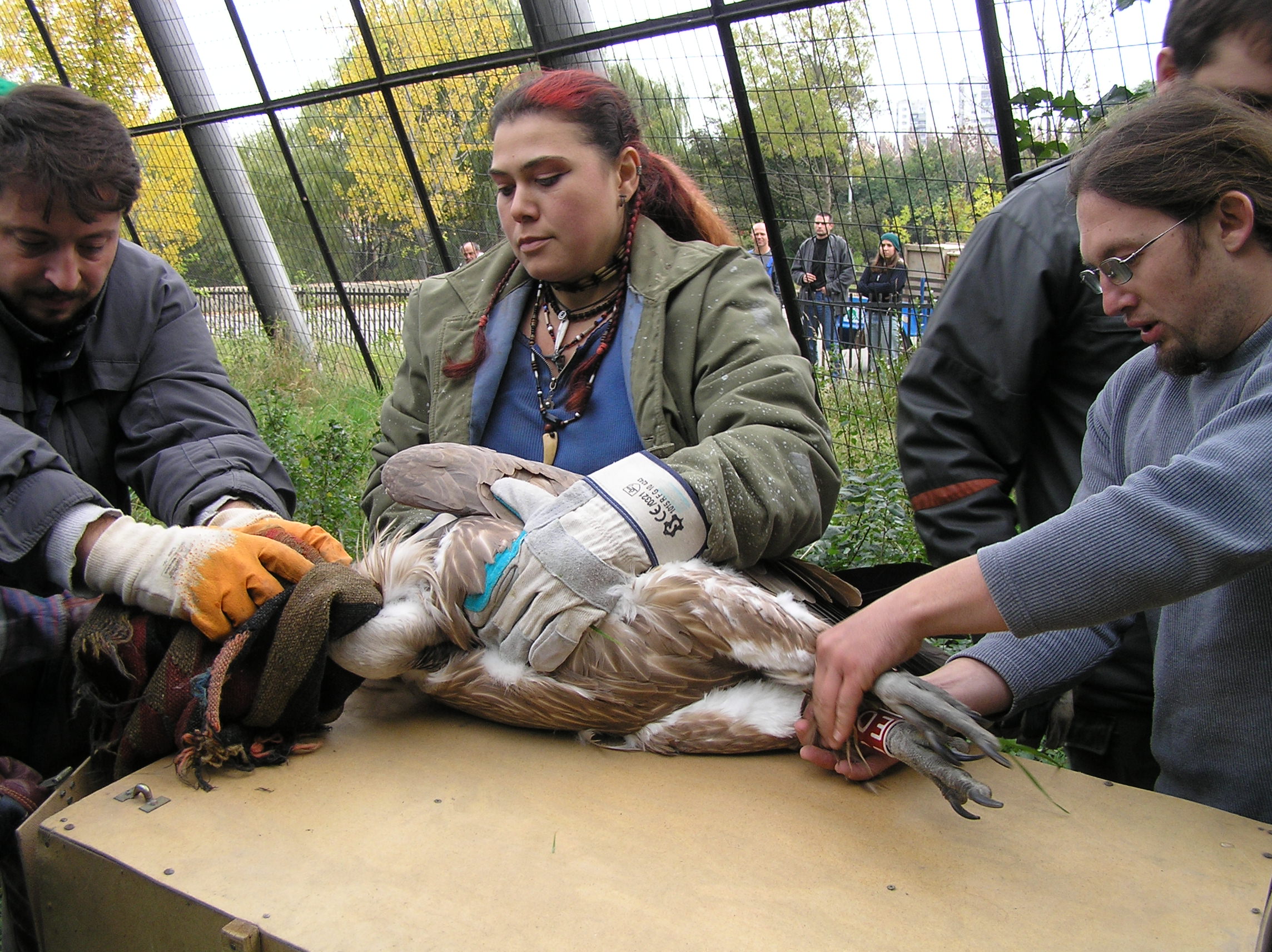
More than 200 birds were transported from rehabilitation centers and zoos in Spain and France to Bulgaria. Five local teams have been working so hard for five years to settle the birds and form colonies. Since 2010 there were released 45 Griffon vultures in Kotel Mountain. The most recent observation in 2015 shows a group of 20 birds. The first vulture nesting in the project took place in Kotel Mountain.
Surprisingly the Griffon Vulture reintroduction project has strongly impacted the presence of another vulture species. Egyptian vulture is a critically endangered (IUCN Red list) and the decline of the population is uncontrolled so far. In Bulgaria the population has shrunk rapidly and is being limited to Rodopi Mountain. The new formed Griffon vulture colony is attracting single Egyptian vultures to Kotel Mountain each summer thus a safe environment is ensured. The observations were published IUCN Global Reintroduction Perspective 2010.
LIFE for Kresna Gorge
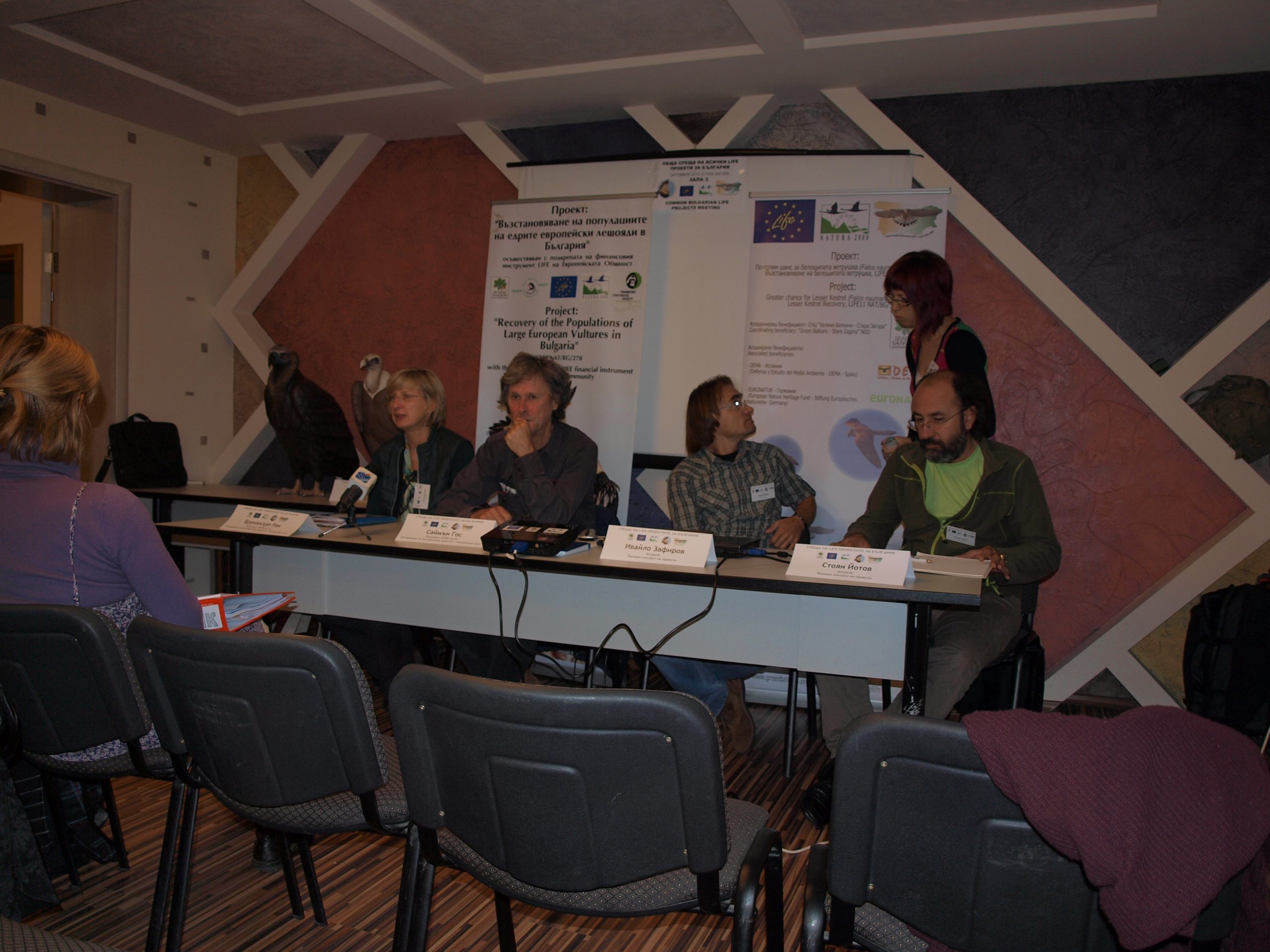
The return of the griffon vulture was one of the goals of the project LIFE for Kresna Gorge LIFE11 NAT/BG/000363
In 2016 Bulgaria is celebrating its huge contribution in saving of European natural heritage. Eleven successfully fledged Griffon vulture chicks on the cliffs of Balkan Mountain and Kresna Gorge (Pirin) have confirmed the future of vulture populations there. It is a payoff of a long process of fifteen years in hard work and real team efforts.
What the project has accomplished:
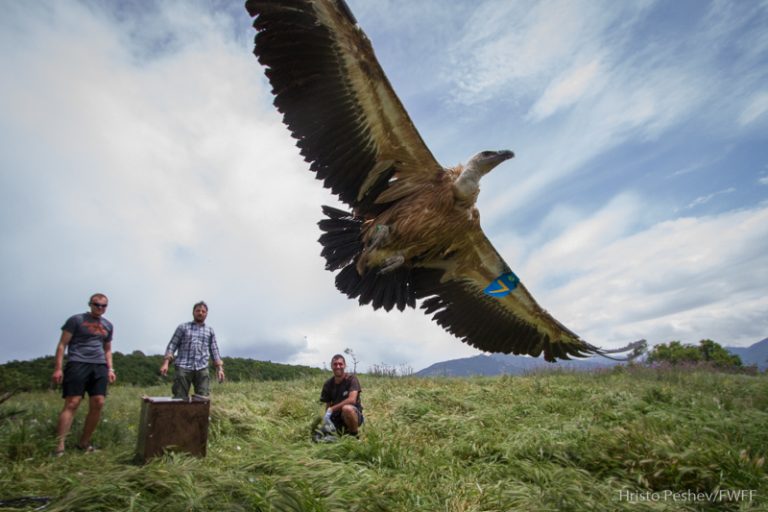
Since 2009 there were released 60 griffon vultures in Kresna Gorge. In 2016 the fledged chicks became 2 more. The results show the success of the project and put Griffon vulture in the group of “breeding species” for the regions. The total number of pairs was 6.

Reduce the impacts of direct persecution and indirect threats on birds of prey in SW Bulgaria.
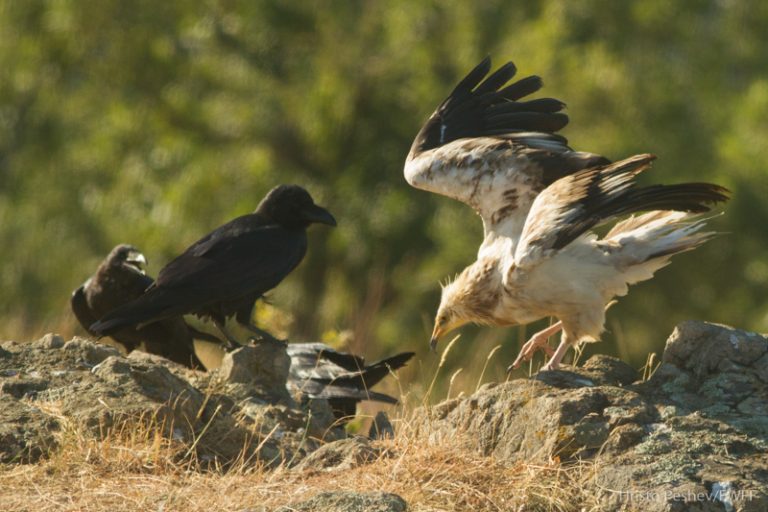
- Has built of second feeding site and ensure safe food for local colony and the increasing number of incoming migratory vultures and eagles. After some eight years of missing, in August 2015 two Egyptian vultures are visiting frequently the feeding site in Kresna Gorge, despite the negative population’s trend. Most probably these are birds from Macedonia or Greece, have lost their partners and searching for permanent available food to strengthen themselves before the forthcoming long trip to Africa. They are definitely attracted by the new-formed Griffon Vulture colony in Kresna Gorge.
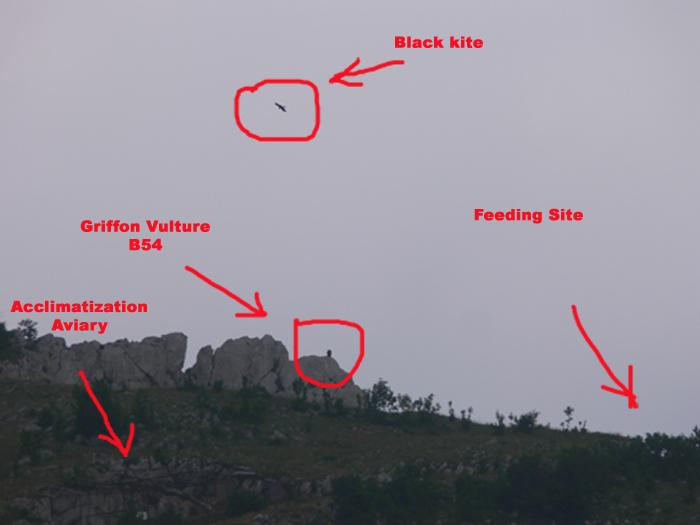
- At the same time FWFF team in Kresna Gorge is doing observations of Black vultures near the feeding sites as follows- in 2013- 1 bird, 2014- 2 birds and in 2015- four Black vultures spent 2 months all in all in the area.
- What is more – Imperial Eagle, Red kite, Steppe Eagle, Greater Spotted Eagle, Black Kite, Rock Partridge, Hoopoe, Shrikes are presenting in the area, all due to the LIFE for Kresna Gorge.
- Installing the perch discouragers and immediately stop electrocution of vultures near the feeding site- 55 bird discouragers were set.

Maintain and enhance the habitat for birds of prey, reptiles and mammals in NATURA 2000 site designated for these species.
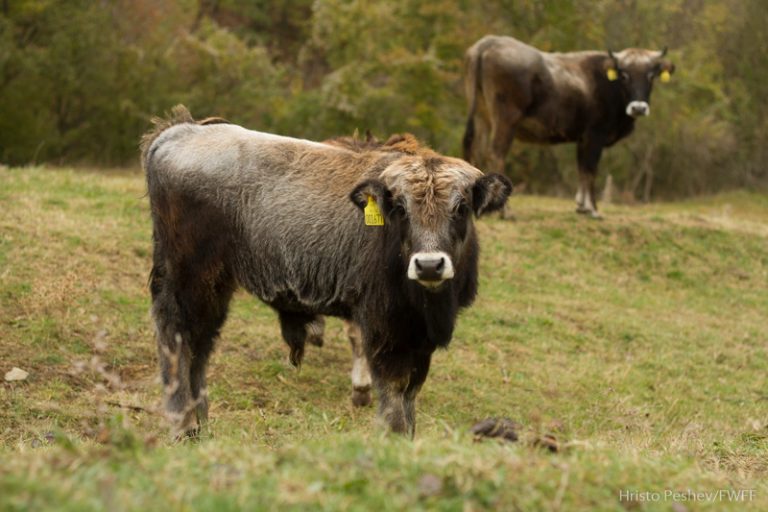
- Build a model cattle farm. The old existing one was renovated in the village of Mechkul and a sheep herd formed. Lately the husbandry was changed to cattle due to wide depredation on sheep and goat.
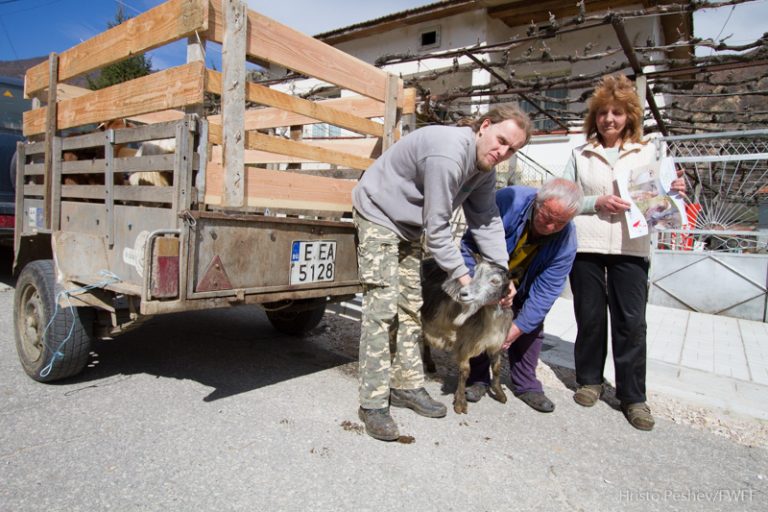
- Attracted more farmers to shift to cattle and prevent depredation, thus avoid the illegal poisoning. But also our strategy was to persuade them to obtain autochthonous cattle breed, the best for extensive breeding and maintaining of pastures around. With some of them FWFF has been cooperated.
- Supporting transhumance practice of some farmers
- Closely monitoring and response to the predators’ attacks and to prevent illegal poisoning thus. Save the region from poisons that is why the Compensation Program had to be developed. Some changes in the prior course of the project should have been done- changing the husbandry practice in the model herds, from sheep to cattle; re-introduce Fallow deer in the region, changing the message to the farmers and advice some of them to change to cattle too; realizing the insufficient role of guarding dogs for avoiding predators ‘attacks over the livestock in certain target area, etc.
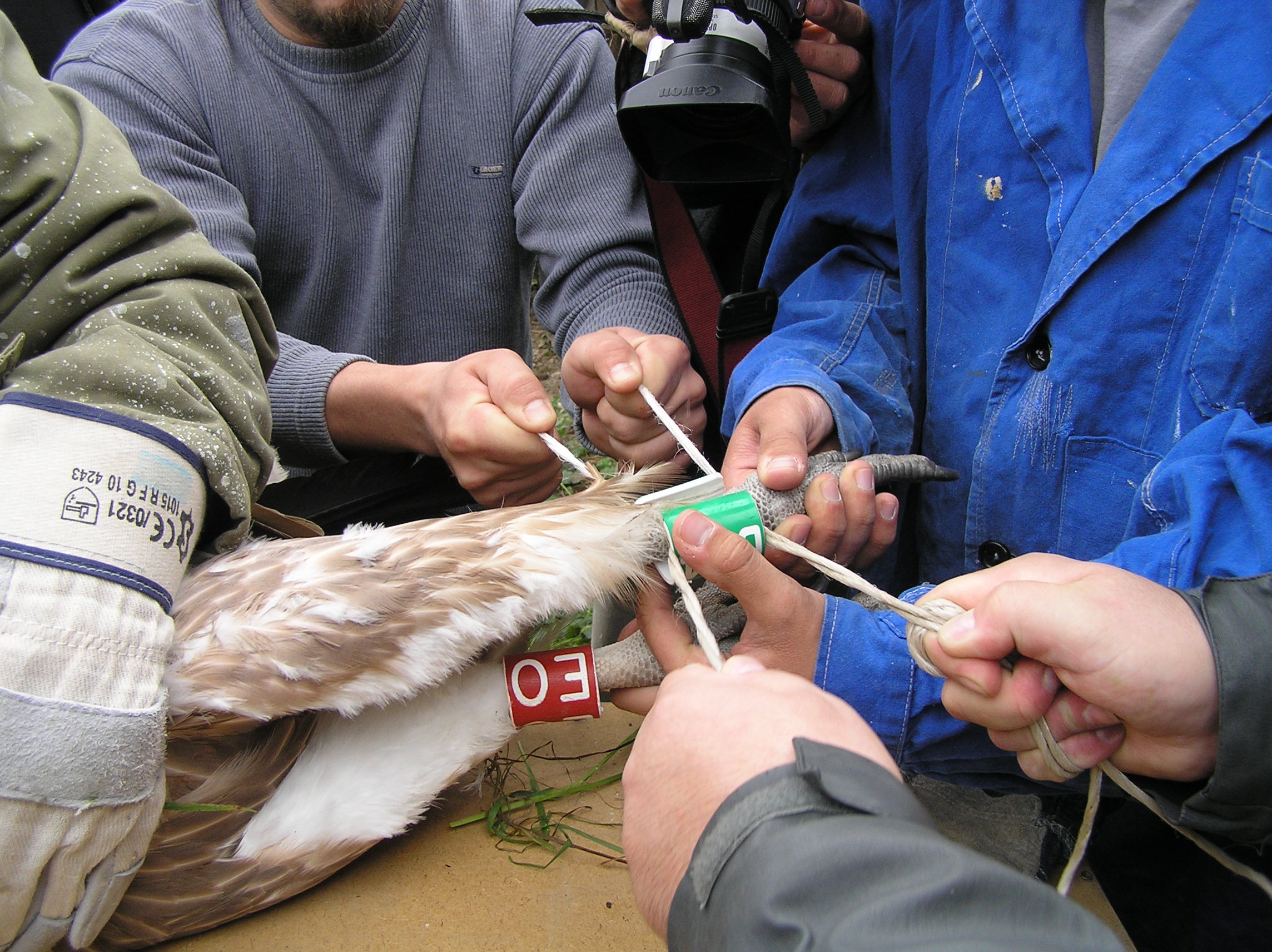
- Fitting twelve vultures with GPS/GSM transmitters to track their movements
Restore the populations of species emblematic for the area:
- Building of Wildlife Center in Rakitna on an area of 2,4 ha, which was purchased partly from FWFF and the rest is a state property. It was fenced so the planned Tortoise Sanctuary and Captive breeding facility for vultures of 9 aviaries both took place here. The entire complex is called Wildlife Center in Rakitna. What is more, inside the fence the 14 Fallow deer are grazing and breeding.
Create positive attitudes to birds of prey in key audience.
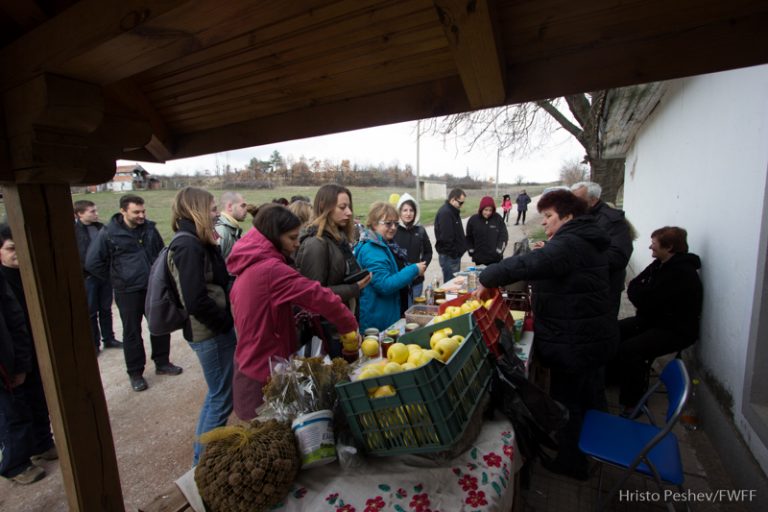
- Furnishing the Info Center in the village of Rakitna and the model farm, which showed local audience our wish to settle a part of our NGO in the area and to prove them our long-term intentions to work and economically develop the region.
Annual reports
You can read detailed information about our activities related to the reintroduction of the griffon vulture in our annual reports: