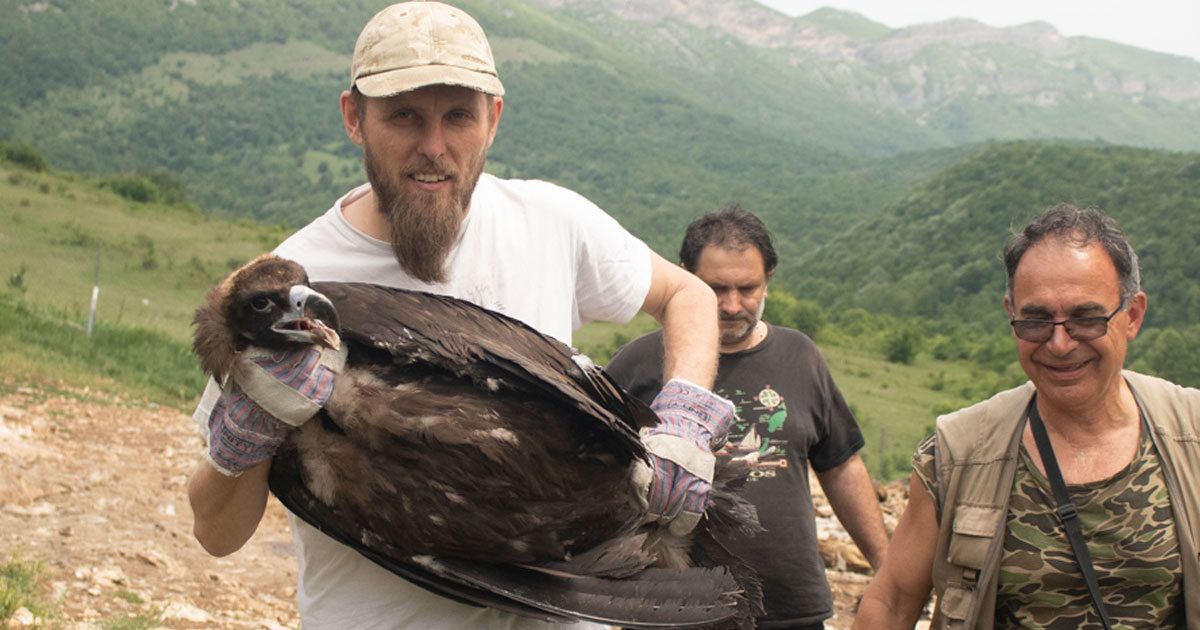
Cinereous vulture is being reintroduced in Vrachanska Mountain, after it had been in extinction for 60 years.
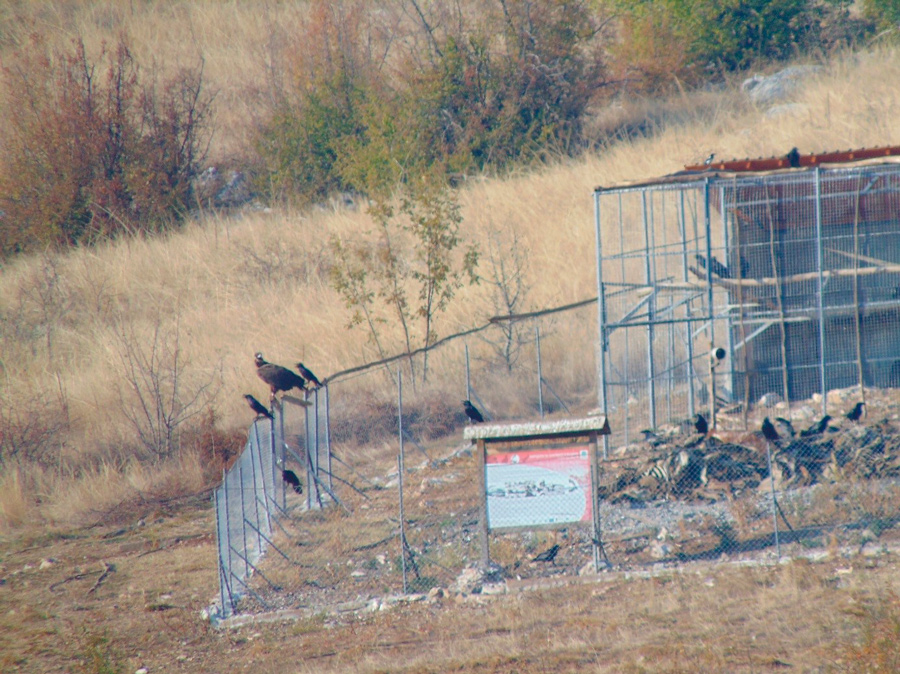
In September 2019, ten Black vultures were transported to the aviary in Vrachanska Mountain, where they spent a short adaptation period before being released in spring of 2020.
The presence of Black vultures in the aviary made the region more attractive to wild vultures, and some wild Black vultures visited the area and even stand on the aviary for some time.
AGAIN IN THE SKY
The ‘New LIFE for the Vultures’ project team released the first Cinereous Vultures in the ‘Vrachanski Balkan’ Nature Park in May, the month of celebrating Natura 2000. On May 21st colleagues from the Birds of Prey Protection Society, who manage the aviary in the Nature Park, along with the Green Balkans and the Fund for the Wild Flora and Fauna released 5 birds – Stara planina, Montana, Vraza, Zhora and Baraba. The four female and a male birds, that spent the last 7 months at the ‘Vrachanski Balkan’ Nature Park aviary, were fitted with GPS transmitters before release to monitor their movements.
This release coincided with the recent visits of Black Vultures at the feeding station at the Park, when Riga and Kutelka, along with an unmarked young vulture fed at the site.
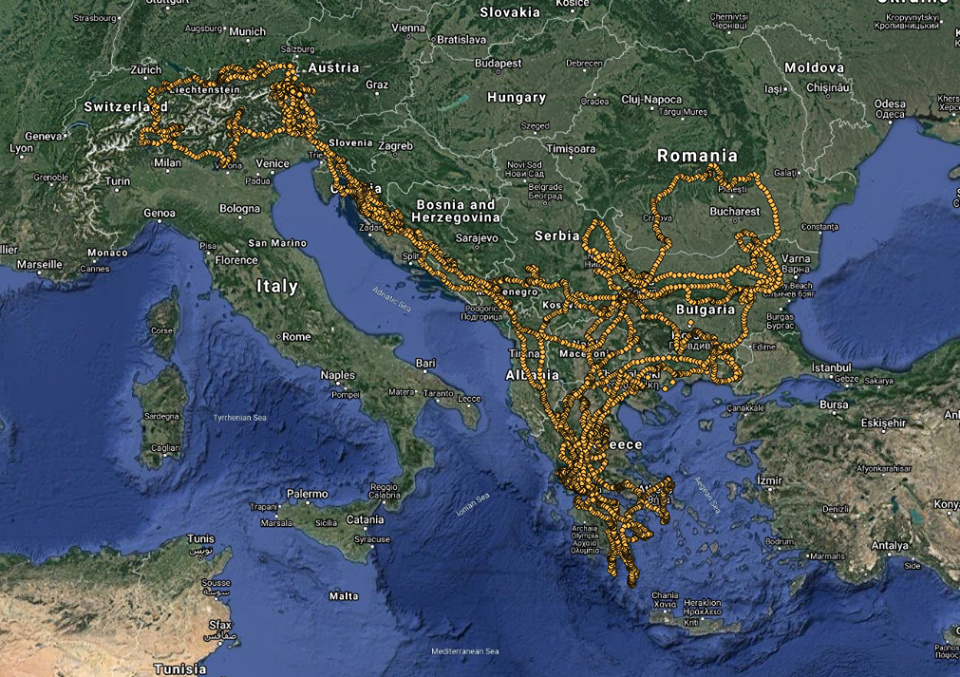
The first on the scene was the Cinereous Vulture, Riga, had been released in September 2018 in the Kotel region. Although the bird chose our neighbor Greece for the last two winters, it returned to Bulgaria in April this year, where it spent the last two months roaming about until it reached the feeding station at the ‘Vrachanski Balkan’ Nature Park.
A few days later, Kutelka, which was released in March 2019 in the ‘Sinite kamani’ Nature Park, joined in.
The two birds decided to stick together and roamed the region of Northwest Bulgaria. On the 11th May they even took up a short trip to Romania, near the Turnu Severin region, and back to Vratza.
In June 2020, we managed to observe even more unmarked Cinereous vultures, feeding along with the others. Meanwhile the release is going on in July, when four more Cinereous vultures become free.
HOW LONG DO THE GPR\GSM TRANSMITTER WORK
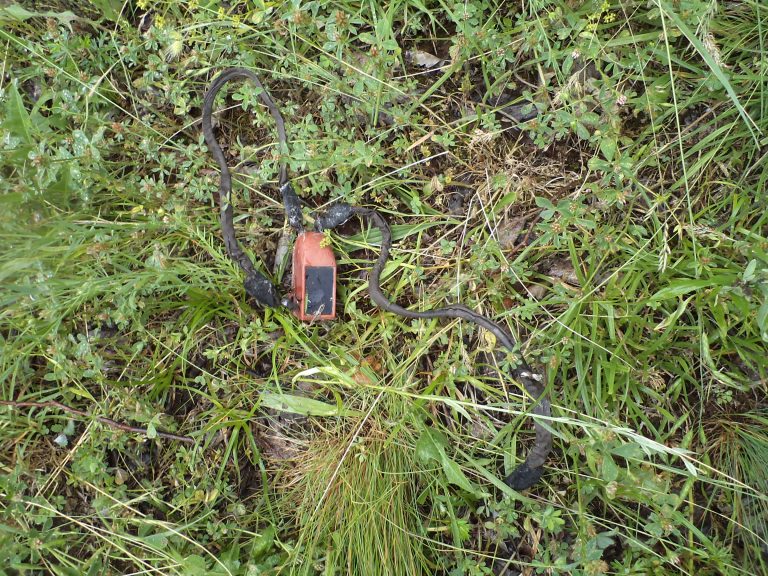
Most work about two years, because electronics stops. Some fall down earlier from the birds for different reasons, mostly weak attachment. Anyway, we do our best to find and pick up those worth devices.
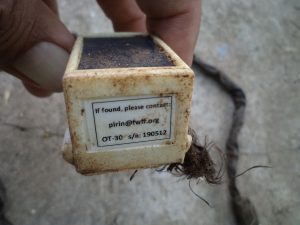

A fallen GPS, is being found later
PREDATORS’ PRAY?
Unfortunately in the midst June, one of recently released bird, M3 Stara planina, originated from Spain, in area of Vrachanski Balkan Natural Park, was found dead. It happened nearly one month after release without any indication about well adapting.
Body was discovered and remains were collected scattered on the ground in area of 0,1 ha – obviously eaten by predators. That is why the field team suspected it is a result of attack by local predators, like pack of Jackals.
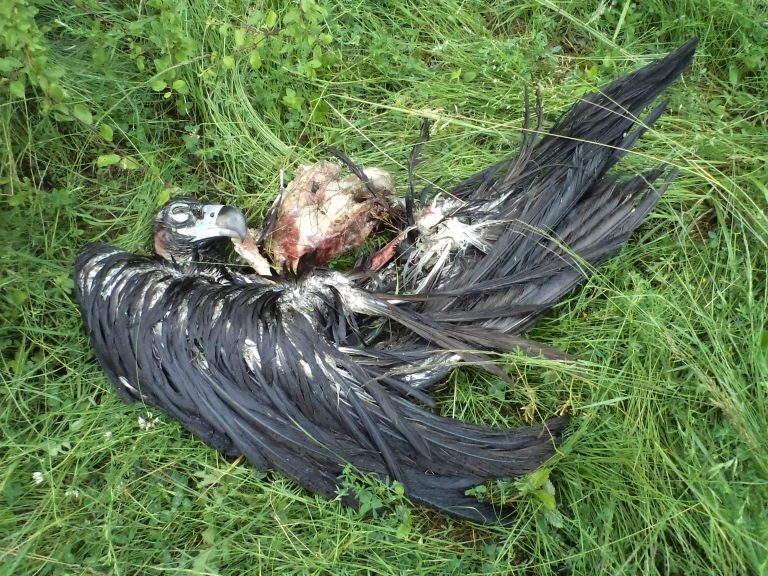
Remains of M3 Stara planina, most likely killed by jackals
The activities of the Cinereous vulture restoration in Bulgaria, with a focus on the Balkan Mountains, are being implemented within the framework of the “Vultures Back to LIFE” project LIFE14NAT / BG /649 funded by the LIFE instrument of EU, in partnership of Green Balkans, FWFF and international organizations – VCF, EuroNatur and the Extremadura Regional Government.