Launch of EU-funded project raises awareness and strengthens national capacities to fight the problem of wildlife poisoning in the Balkans, which is one of the most important causes of mortality and population decline for numerous threatened and endangered species.
Even though wildlife poisoning is illegal in the Balkans, this harmful practice is still widespread and poses a real threat to wildlife, especially vultures, the environment and public health. Thanks to conservation actions, there has been a lot of progress made, and now, the launch of an ambitious project brings new hope for further combating this problem! Through the ‘BalkanDetox LIFE’ project, nine organizations work alongside various national and international stakeholders, ranging from government authorities to hunters and livestock breeders, to minimize this threat and achieve concrete results across seven Balkan countries (Bulgaria, Greece, North Macedonia, Serbia, Bosnia and Herzegovina, Albania and Croatia).
“The BalkanDetox LIFE project was built on the good grounds made by the Vulture Conservation Foundation’s (VCF), Balkan Anti-Poisoning Project, especially in securing engagement of relevant governmental institutions for combating wildlife poisoning, and will enable the continuation of this initiative to improve management of poisoning incidents and achieve significant reduction of mortality of vultures and other affected species caused by this illegal practice in the region”, says Uroš Pantović from the and Project Coordinator of BalkanDetox LIFE.
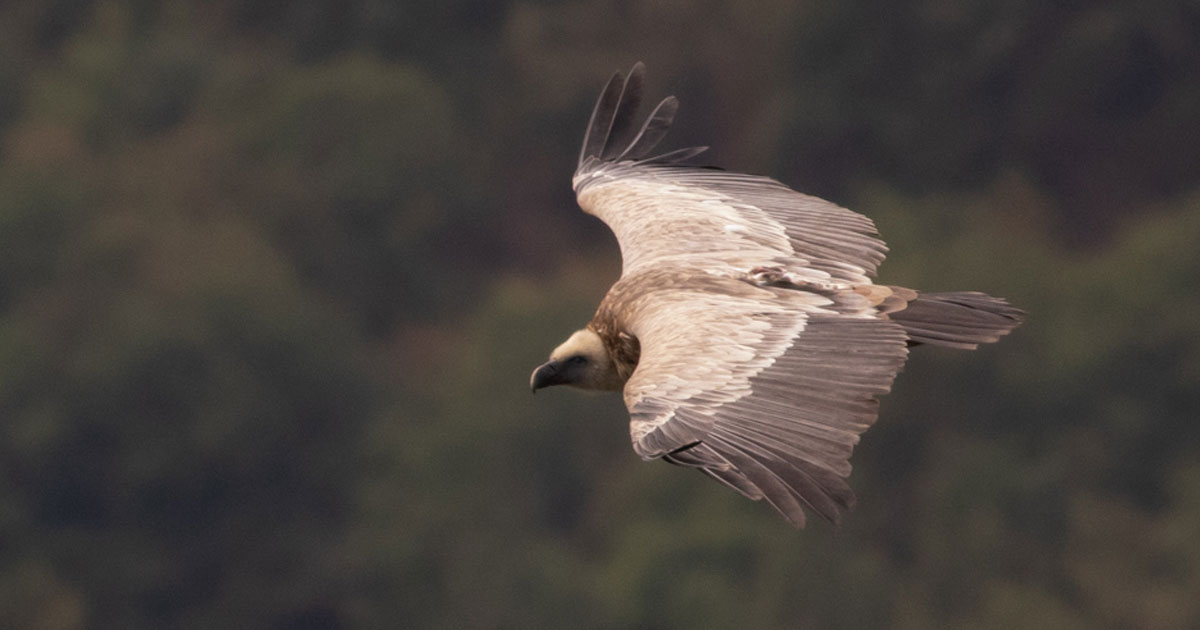
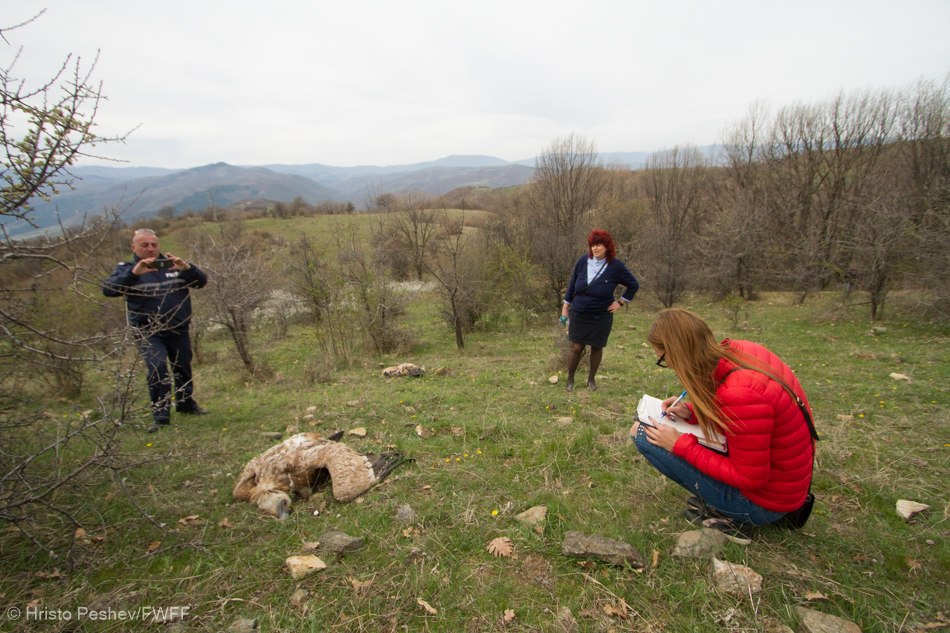
The most common type of wildlife poisoning in the Balkans is the intentional placement of poison baits to kill wild predators or other feral and domestic animals that may inflict damage on livestock or game species. In addition to the animals targeted, other vulnerable species suffer too as it is a non-selective means of extirpating animals. Vultures as being mostly obligate scavengers often fall victim to poisoning, either by directly consuming the bait or feeding on the carcasses of poisoned animals. The frequent and successive poisoning incidents in the Balkans resulted in 465 confirmed vulture deaths over the past 20 years, and a VCF study estimates that at least 115 vultures die annually from poisoning in the Balkans since only about 20% of such incidents are discovered and documented.
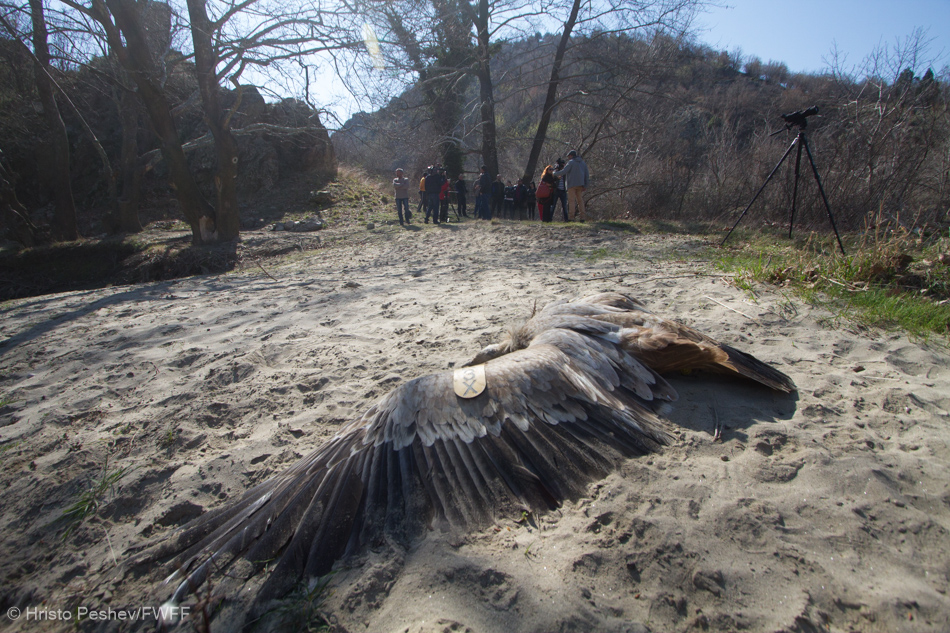
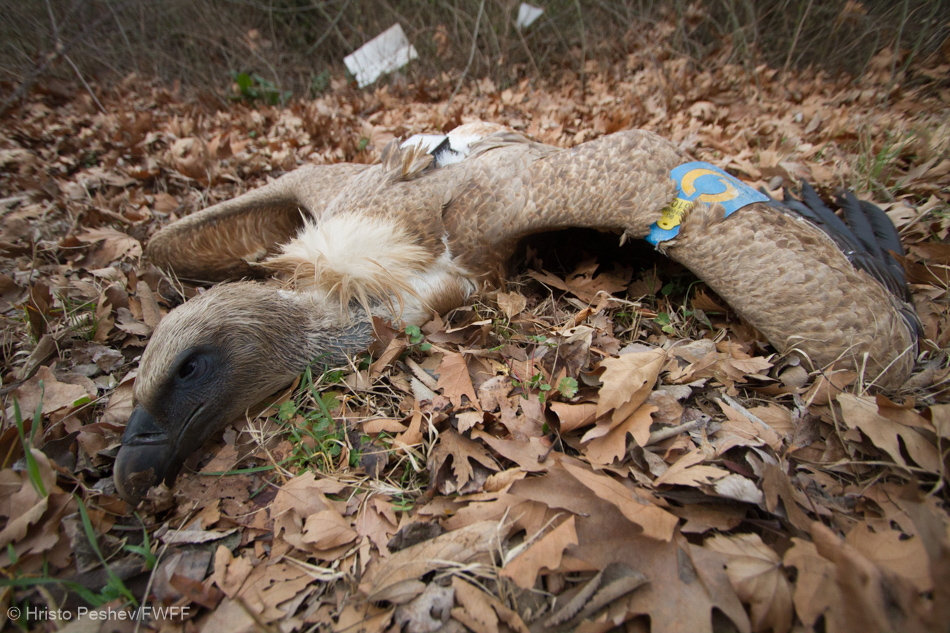
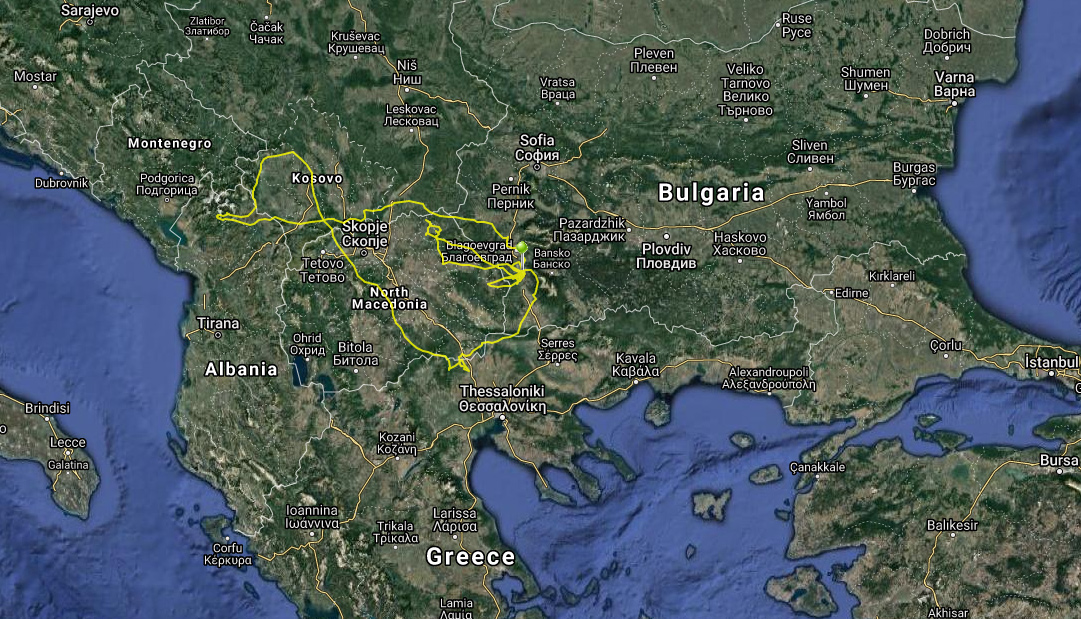
The Bulgarian partner in the BalkanDetox LIFE is FWFF, which is in charge of recruitment more Griffon vultures from the Balkan’s colonies for GPS tracking of movements and landings. The practice provides for intensive monitoring (each hour) of GPS tracked Griffon Vultures with frequent field visits in places where the vultures landed and seem to have taken food. This way any potential problem are being timely addressed and also preventive actions would be directed. There is not sufficient data from tagged birds, or enough tagged birds to enable the assessment of occurring poisoning incidents, and responses to the same on a regional level. We are in process of equipping 25 Griffon Vultures from the Balkan population with GPS transmitters in order to study and monitor their movements and behavioral patterns towards detection of possible poisoning incidents. Larger number of the vultures tracked allows the coverage of colonies and feeding events over a larger range. This method allows us to discover poisoning incidents, but also to act preventively, based on the behavioral and movement patterns of the tagged birds, and prevent potential poisoning incidents on a larger scale, define new potential hotspots for poisoning, as well as to gain additional information and knowledge about general connectivity of the Balkan population of Griffon Vultures.
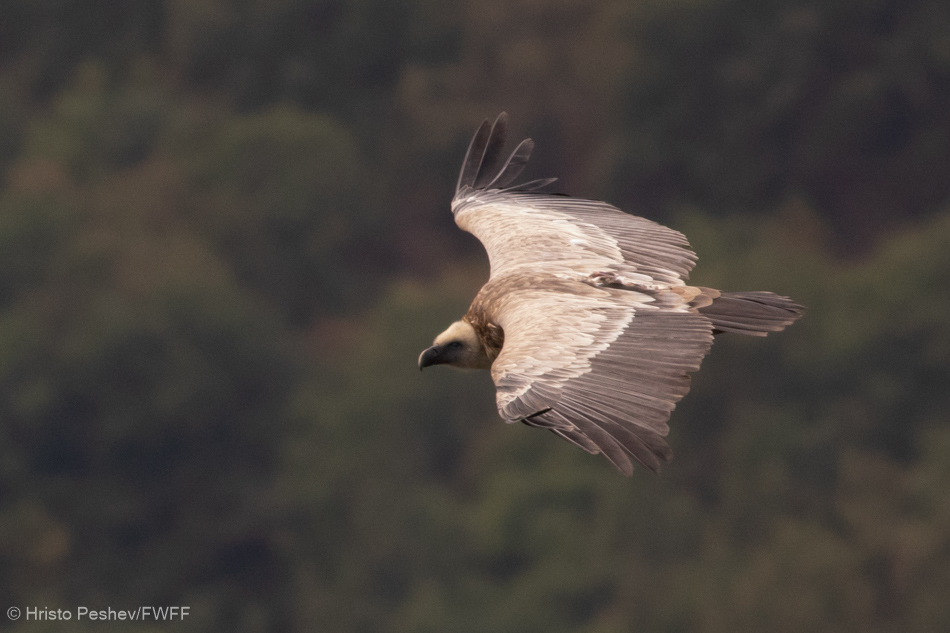
The project introduces a best practice developed in another LIFE project – LIFE 14NAT/BG/649, namely the “Early warning system for wildlife poisoning based on intensive GPS tracking of Griffon Vultures” and continued under another FWFF project, financed by Whitley Fund for Nature in 2019, where an additional action was provided for establishment of Vulture Save Areas concept.